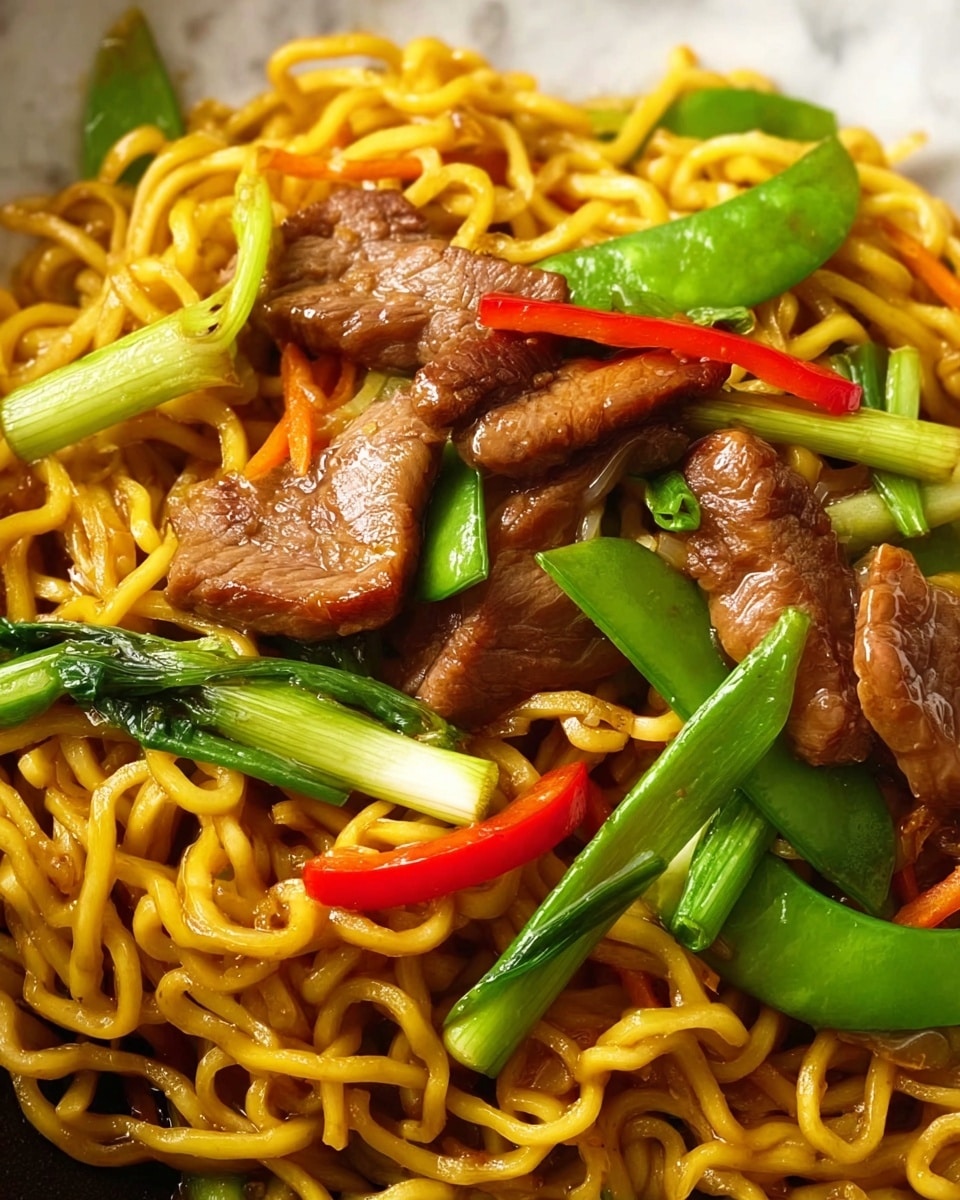
Achieve Tender Beef Lo Mein: Tips for Umami Flavor & Crisp Veggies
There's nothing quite like the irresistible allure of a perfectly prepared Beef Lo Mein. A true takeout titan, this classic Chinese noodle dish captivates with its harmonious blend of savory flavors, satisfying textures, and aromatic appeal. While many of us automatically reach for the phone to order in, the good news is that crafting an exceptional homemade Beef Lo Mein is not only achievable but often surpasses restaurant versions in freshness and taste. Imagine sinking your teeth into exquisitely tender beef, vibrant and crisp vegetables, and silky noodles all coated in a rich, umami-packed sauce. This article will guide you through the secrets to elevating your homemade
beef lo mein from good to absolutely unforgettable, ensuring every bite is a culinary delight.
The Anatomy of Perfect Beef Lo Mein: Flavor, Texture, and Balance
What makes a truly outstanding Beef Lo Mein? It's a delicate dance between complementary elements. First, there's the *flavor*: a deep, savory profile with notes of sweetness, garlic, ginger, and the elusive fifth taste – umami. Then, there's the *texture*: the melt-in-your-mouth tenderness of the beef, the satisfying crunch of fresh, stir-fried vegetables, and the comforting chewiness of the noodles. Finally, there's the *balance*: ensuring no single element overpowers another, creating a cohesive and satisfying experience.
Homemade versions offer unparalleled control over these crucial aspects. You dictate the quality of ingredients, the precise cooking times, and the exact seasoning, allowing you to tailor the dish to your specific preferences. This ability to personalize is a game-changer, making your kitchen the ultimate destination for a truly superior meal. With a few key techniques and a focus on fresh ingredients, you can confidently create a dish that's not just a meal, but a vibrant celebration of flavor and texture, perfect for any weeknight dinner or special occasion.
Mastering the Beef: Secrets to Silky Tenderness
One of the most common pitfalls when making
beef lo mein at home is ending up with tough, chewy beef. The good news is, achieving that coveted silky tenderness is simpler than you might think, thanks to a few expert techniques.
Choosing and Preparing Your Beef
- Cut Against the Grain: This is perhaps the most critical step. Beef muscle fibers run in a specific direction, visible as long strands. By slicing *against* these fibers, you shorten them, resulting in a much more tender chew. Ideal cuts for stir-frying include flank steak, sirloin, or skirt steak, which are flavorful and benefit well from this technique.
- Thin Slices are Key: Aim for uniformly thin slices, about ¼-inch thick. This ensures even cooking and allows the beef to cook quickly without drying out.
The Velveting Technique: A Game-Changer
This ancient Chinese cooking method is what gives restaurant beef dishes their signature tender texture.
- Ingredients: A small amount of baking soda, cornstarch, and sometimes a touch of soy sauce or water.
- Process: For every pound of beef, typically use ½ teaspoon of baking soda. Combine the sliced beef with baking soda, a tablespoon of the prepared sauce mix, and a tablespoon of cornstarch. Mix well and let it marinate for 10-15 minutes.
- Why it Works: Baking soda works as a natural tenderizer by increasing the pH of the meat, breaking down muscle fibers. Cornstarch creates a protective coating around the beef, sealing in moisture during the high-heat cooking process. This combination guarantees melt-in-your-mouth results every time.
Searing for Perfection
When it comes to cooking the beef, high heat and speed are your allies.
- Wok or Large Pan: Use a wok or a large, heavy-bottomed pan heated to medium-high. Add a tablespoon or two of high smoke point oil (like vegetable, canola, or grapeseed oil).
- Don't Overcrowd: Cook the beef in batches if necessary. Overcrowding lowers the pan's temperature, steaming the beef instead of searing it, leading to a grey and tough texture.
- Quick Sear: Cook for just 1-2 minutes per side, just enough to get a nice brown sear. The beef should still be slightly pink in the center, as it will continue to cook briefly when reintroduced to the hot noodles and sauce. Immediately remove the beef from the pan and set it aside to prevent overcooking.
Vibrant Veggies & Savory Noodles: A Symphony of Textures
Beyond the beef, the textures of your vegetables and noodles play an equally vital role in creating a compelling
beef lo mein. The goal is crisp-tender vegetables and perfectly chewy noodles that aren't mushy or sticky.
Crisp-Tender Vegetables
The beauty of lo mein lies in the crunch of its vegetables.
- Selection: Opt for fresh, vibrant vegetables. Classic choices include julienned carrots, sliced bell peppers (red, yellow, or orange for color), shredded cabbage, snap peas, broccoli florets, or even sliced mushrooms. Don't be afraid to experiment with what you have on hand – this recipe is wonderfully forgiving.
- Layering Method: To achieve varying degrees of tenderness while maintaining a pleasant crunch, cook vegetables in stages. Start with harder vegetables like carrots and broccoli florets, stir-frying them for 1-2 minutes until they begin to soften. Then add medium-hard vegetables like bell peppers and mushrooms, followed by quick-cooking greens like cabbage or spinach at the very end. This ensures each vegetable retains its unique texture and doesn't become overcooked.
- High Heat Stir-Fry: Just like with the beef, high heat is essential for stir-frying vegetables quickly, preserving their color, nutrients, and crisp texture.
Silky, Non-Sticky Noodles
The noodles are the literal backbone of your lo mein.
- Fresh Lo Mein Noodles: While dried noodles can work, fresh lo mein noodles found in the refrigerated section of Asian markets offer the best texture – chewy and robust.
- Blanching: Bring a large pot of water to a rolling boil. Add your fresh noodles and blanch them for just 1-2 minutes. The goal is to soften them slightly without making them mushy, as they will finish cooking in the wok.
- Preventing Stickiness: Immediately after draining the blanched noodles, drizzle them with a small amount of sesame oil and gently toss. This simple step makes a huge difference, preventing them from clumping together and ensuring they integrate beautifully with the sauce and other ingredients during stir-frying.
Crafting the Umami-Rich Sauce: The Heart of the Dish
The sauce is what ties all the glorious components of your
beef lo mein together, infusing every strand of noodle and piece of beef with incredible flavor. An umami-rich sauce is non-negotiable for that authentic takeout taste.
Key Flavor Boosters
The best lo mein sauces are a careful balance of sweet, savory, and aromatic elements.
- Soy Sauce: The foundation of most Asian sauces. Use a good quality, low-sodium soy sauce to control saltiness.
- Sesame Oil: Adds a distinctive nutty aroma and depth of flavor. A little goes a long way.
- Better Than Bouillon: As suggested by a reference, this paste is a fantastic secret weapon for boosting umami. It adds a concentrated savory depth that makes the sauce taste like it's been simmering for hours. Dissolve it in hot water or directly in the sauce mixture.
- Fresh Aromatics: Plenty of minced garlic and grated fresh ginger are crucial for a vibrant, aromatic base. They infuse the oil before other ingredients are added, building foundational flavor.
- Sweetener & Acidity: A touch of brown sugar or honey balances the savory notes. A splash of rice vinegar can add a subtle tang and brightness, cutting through the richness.
- Thickener: A cornstarch slurry (cornstarch mixed with a little water or broth) is essential for giving the sauce that desirable glossy, slightly thickened consistency that clings to the noodles and beef.
Mixing and Integrating
Combine all your sauce ingredients in a bowl before you start stir-frying. This makes the cooking process much smoother and quicker. Once the noodles and vegetables are nearly done in the wok, make a small well in the center, pour in your pre-mixed sauce, and let it bubble for a moment before tossing everything together. The sauce will thicken rapidly, coating every ingredient beautifully. For another perspective on quick and flavorful weeknight meals, check out
Your New Weeknight Favorite: Quick & Flavorful Beef Lo Mein Recipe.
Beyond the Basics: Customization & Serving Suggestions
One of the beautiful aspects of
beef lo mein is its adaptability. Once you've mastered the core techniques, you can truly make this dish your own.
Ingredient Flexibility
- Protein Swaps: Not a beef fan? This recipe works wonderfully with chicken, shrimp, pork, or even tofu for a vegetarian option. Adjust cooking times accordingly.
- Veggie Variations: Feel free to add your favorite vegetables. Snow peas, bok choy, mushrooms, bamboo shoots, or water chestnuts can all be fantastic additions.
- Spice It Up: For those who love a kick, add a dash of chili garlic sauce, sriracha, or a pinch of red pepper flakes to your sauce mixture.
Serving and Enjoying
Beef Lo Mein is best served immediately, straight from the wok, when the noodles are hot, the beef is tender, and the vegetables are crisp. Garnish with a sprinkle of toasted sesame seeds and thinly sliced green onions for an extra burst of freshness and visual appeal. This dish is hearty enough on its own, but it also pairs well with simple sides like spring rolls or steamed dumplings. For an even quicker preparation, explore ideas in
Easy Beef Lo Mein: Better Than Takeout in Under 30 Minutes.
Conclusion
Creating a stellar
beef lo mein at home is not just possible; it's an incredibly rewarding culinary experience. By focusing on tenderizing the beef with clever techniques like velveting, maintaining the vibrant crunch of fresh vegetables through strategic stir-frying, and crafting an umami-rich sauce that ties everything together, you can consistently achieve a dish that rivals and often surpasses your favorite takeout. This quick, flavorful, and utterly satisfying meal is sure to become a cherished staple in your kitchen, impressing family and friends alike with its perfectly balanced flavors and textures. So, step away from the takeout menu, embrace your inner chef, and prepare to delight in the absolute joy of homemade Beef Lo Mein.